
Anthem, Arizona's desert landscape offers a unique blend of natural beauty and community engagement through its open spaces, including hiking trails and parks. Key elements of successful design include preserving native terrain, strategically placing water features, enhancing accessibility for all users, and fostering community involvement in planning. By integrating natural elements, green infrastructure, and local flora, Anthem creates sustainable urban spaces that mitigate climate change, improve air quality, and enhance resident well-being. Regular care and adaptive management ensure these open spaces thrive, preserving biodiversity and providing year-round enjoyment of what to see in Anthem naturally.
In today's fast-paced world, creating effective open spaces that foster engagement and harmony is a paramount challenge for urban planners and designers. The Open Space Visual Guide emerges as a vital tool to address this issue, offering a structured yet flexible framework for transforming public areas into vibrant hubs of activity. This article delves into the intricate details of this guide, exploring how it translates abstract concepts into concrete design principles. We'll dissect what makes this resource indispensable, highlighting practical insights and strategies that can elevate any open space into an anthem of community interaction, seamlessly integrating the key elements one should observe in such environments.
- Understanding Open Spaces: Definition and Significance
- Key Components of a Successful Open Space Design
- Strategies for Incorporating Natural Elements in Urban Settings
- What to See in Anthem: Case Studies of Exceptional Public Spaces
- Community Engagement: Involving Stakeholders in Creation
- Maintaining and Evolving: Long-Term Care for Vital Open Areas
Understanding Open Spaces: Definition and Significance

Understanding open spaces is paramount for anyone aiming to appreciate the full breadth of what Anthem has to offer. These expansive areas, often characterized by a lack of structures or vegetation, serve as the canvas upon which nature's artistry unfolds. In Anthem, where desert landscapes dominate, open spaces are not merely gaps but vibrant ecosystems teeming with unique flora and fauna adapted to the region's arid conditions.
The significance of open spaces in Anthem transcends aesthetics; they play a vital role in environmental health and human well-being. For instance, the vast desert trails that crisscross the city offer unparalleled opportunities for recreation and stress relief, allowing residents and visitors alike to immerse themselves in the area's breathtaking beauty. These natural corridors not only support biodiversity but also serve as carbon sinks, absorbing vast amounts of CO2 from the atmosphere, a crucial factor in mitigating climate change.
A key aspect to observe in Anthem's open spaces is the interplay between the man-made and the natural. Careful planning has integrated hiking trails, parks, and community spaces seamlessly into the existing desertscape, ensuring that the area's innate character remains intact while providing residents with ample opportunities for outdoor recreation and connection with nature. For instance, the Anthem Desert Trail offers panoramic views that can be enjoyed 1-3 times throughout a visit, depending on one's pace and curiosity, showcasing the unique flora, fauna, and geological formations that define this region.
By understanding and appreciating open spaces, visitors and residents alike can truly embrace what Anthem naturally offers—a harmonious blend of natural beauty, environmental stewardship, and community engagement. This holistic perspective not only enriches individual experiences but also strengthens the collective connection to the land, fostering a deeper sense of belonging and appreciation for the delicate balance of our environment.
Key Components of a Successful Open Space Design
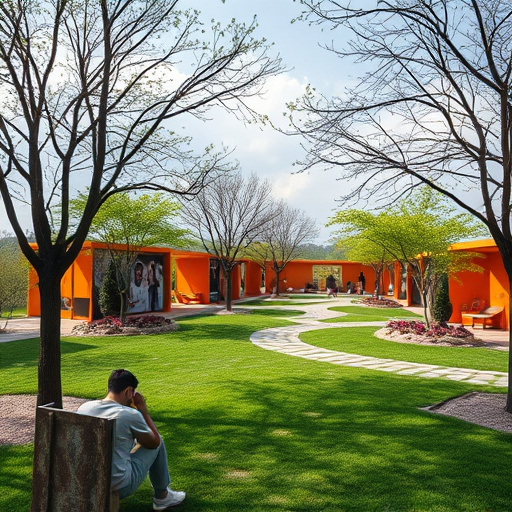
A successful open space design, such as those found in Anthem, Arizona's desert landscapes, balances several key components to create a harmonious and inviting environment. First and foremost, natural terrain must be respected and enhanced, not altered or masked. The unique desert trail views that Anthem offers should be celebrated and designed around, allowing visitors to connect with the surroundings seamlessly. This means preserving existing topography, incorporating native vegetation, and selecting hardscapes that blend with the natural setting, like natural stone pathways and organic materials for seating areas.
Water features play a significant role in open space design, offering both aesthetic appeal and functional benefits in arid climates. Strategically placed fountains or ponds can provide visual interest while also helping to cool the microclimate around them. For instance, Anthem's own desert trails often feature small water elements that not only enhance the ambiance but also attract wildlife, creating a more dynamic and ecologically rich environment. Careful siting and design of these features ensure they are functional and sustainable without compromising the anthem desert trail views that define the area.
Accessibility is another critical aspect, ensuring open spaces cater to all users while preserving their essence. Well-designed trails with diverse width options accommodate walkers, runners, and those using mobility aids. Seating areas placed at strategic points along paths provide rest spots, encouraging visitors to immerse themselves in the space. Additionally, incorporating wayfinding elements that blend seamlessly into the landscape helps orient visitors without overpowering the natural setting. This balance between accessibility and preservation is crucial for creating a truly enjoyable open space experience that highlights what makes anthem desert trail views so special.
Lastly, community engagement is vital to the success of any open space design. Involving local residents in the planning process ensures the design meets their needs and reflects the character of the area. Public art installations, for example, can become focal points that bring people together while celebrating the region's unique identity. Data from successful open spaces around the country shows that when designed with community input, these spaces see higher levels of usage and satisfaction. By prioritizing these key components, Anthem can continue to create open space designs that are both functional and beautiful, enhancing the quality of life for residents and visitors alike while preserving the stunning anthem desert trail views that define the region.
Strategies for Incorporating Natural Elements in Urban Settings

Incorporating natural elements into urban settings is a key strategy for enhancing the livability and aesthetics of modern cities, such as Anthem, where desert trail views are already integral to the landscape. The integration of what to see in Anthem naturally can transform concrete jungles into vibrant, healthy environments that connect residents with the environment. This involves mindful design that leverages local flora, water features, green spaces, and even climate conditions to create harmonious urban oases.
For instance, cities like Anthem can implement green infrastructure such as urban forests, vertical gardens, and rain gardens to mitigate heat island effects, improve air quality, and provide habitats for local wildlife. These strategies not only enhance the visual appeal but also have measurable environmental benefits. According to a study by the U.S. Department of Agriculture, urban trees alone can reduce temperatures up to 9°F (5°C) during hot summer days, significantly improving desert trail views and overall quality of life in Anthem.
Practical implementation involves engaging with local communities and experts to understand the unique ecological and cultural context of the area. This collaborative approach ensures that natural elements are not just added for aesthetic purposes but are carefully selected to thrive in the specific conditions, such as those found along Anthem's desert trails. Incorporating native plant species, for example, reduces water consumption and maintenance costs while fostering biodiversity. Additionally, incorporating water features like strategically placed fountains or bio-swales can create cooling microclimates and attract birds and butterflies, enriching the natural ambiance of the city.
Overall, the successful integration of natural elements requires a holistic vision that considers everything from land use planning to public art installations. By embracing what Anthem naturally offers—its desert landscapes, diverse ecosystems, and unique climate—the city can create vibrant, sustainable urban spaces that enhance the lives of its residents and visitors alike.
What to See in Anthem: Case Studies of Exceptional Public Spaces

Anthem, Arizona, is renowned for its stunning desert landscapes and meticulously designed public spaces that seamlessly blend with the surrounding environment. When exploring this vibrant community, visitors and residents alike are treated to a variety of exceptional open spaces that offer unique experiences and breathtaking views. From scenic trails meandering through rugged terrain to thoughtfully planned community parks, Anthem provides a rich tapestry of what to see in anthem, catering to outdoor enthusiasts, nature lovers, and those seeking peaceful retreats.
One of the standout features is the Anthem Desert Trail system, which has become a cornerstone of the region's outdoor culture. These meticulously maintained trails wind through diverse desert landscapes, offering a sensory experience that showcases the area's natural beauty. The trails cater to hikers of all skill levels, with options ranging from leisurely walks to challenging climbs, ensuring everyone can discover and appreciate what to see in anthem's desert scenery. Along these routes, visitors are treated to panoramic views of towering saguaro cacti, vibrant wildflowers, and the ever-present blue Arizona sky, creating unforgettable moments amidst the starkly beautiful desert landscape.
Anthem's commitment to preserving its natural heritage is evident in the careful planning and design of its public spaces. The community parks, such as Anthem Park and Desert View Park, serve as oases where residents can relax and connect with nature. These green spaces feature well-manicured lawns, picturesque lakes, and diverse plant life, providing a serene backdrop for leisurely picnics, sports activities, or simply enjoying the tranquil desert air. Additionally, community events and gatherings often take place in these parks, fostering a strong sense of neighborhood and what to see in anthem as a vibrant, welcoming community.
To maximize the experience of what to see in anthem's public spaces, visitors are encouraged to explore during different times of day. The early morning or late afternoon hours offer softer lighting, enhancing the desert trail views and creating dramatic shadows that add depth to the landscape. Moreover, being mindful of the changing seasons can unlock unique natural phenomena, such as the vibrant wildflower blooms in spring or the cooler temperatures ideal for hiking during the fall months. By embracing these seasonal variations, visitors can fully immerse themselves in Anthem's remarkable outdoor offerings.
Community Engagement: Involving Stakeholders in Creation

Community engagement is a vital aspect of creating successful open spaces, ensuring that the designs meet the needs and aspirations of all stakeholders. When designing an anthem desert trail, for instance, involving local communities from the outset can yield rich insights into what to see in the natural landscape. This collaborative approach not only enriches the overall experience but also fosters a sense of ownership and pride among residents. One effective strategy is to organize community workshops where design concepts are presented and feedback is collected through interactive discussions.
Such engagement can take various forms, from large-scale public meetings to more focused group sessions with specific interest groups like environmentalists, hikers, or local artists. In the context of anthem desert trail views, these conversations might uncover unique perspectives on scenic hotspots that could enhance the experience without compromising natural integrity. For example, community members may suggest preserving certain vistas as "viewpoints" where visitors can pause and appreciate the expansive desert panoramas, thereby creating a harmonious blend of human intervention and natural beauty.
Moreover, active stakeholder involvement helps in navigating potential conflicts and ensuring compliance with regulatory requirements. By integrating diverse viewpoints from the beginning, designers and planners can anticipate and address concerns related to accessibility, cultural sensitivity, or ecological preservation. This inclusive process not only strengthens community bonds but also results in more sustainable and beloved open spaces that serve as the pride of the region. For instance, local knowledge about water sources, plant life, and wildlife habitats can guide the design team in creating trails that respect and preserve these natural elements, making them a haven for both people and wildlife.
Maintaining and Evolving: Long-Term Care for Vital Open Areas
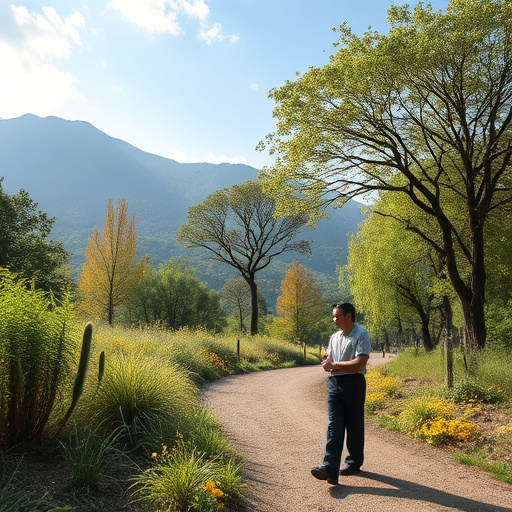
Maintaining and Evolving Open Spaces: Ensuring Anthem's Natural Treasures Thrive for Generations to Come
The open spaces of Anthem, with their breathtaking desert trail views, are cherished assets that require ongoing care and adaptation to remain vibrant and accessible. Long-term strategies for managing these vital areas involve a delicate balance between preserving natural ecosystems and providing enjoyable experiences for residents and visitors alike. Regular monitoring, adaptive management, and community involvement are key components of this equation. For instance, the Anthem Desert Trail system, a beloved network of pathways showcasing native flora and fauna, demands regular weeding, trail restoration, and water feature maintenance to mitigate erosion.
Data from local conservation groups reveals that consistent care has paid dividends in maintaining biodiversity within these open spaces. The presence of healthy desert scrublands, for example, supports a diverse array of bird species, providing an authentic "what to see" experience for nature enthusiasts. By integrating scientific insights with community feedback, park managers can evolve trail designs and landscaping to meet changing needs without compromising the area's natural integrity. This adaptive approach ensures that Anthem's open spaces remain dynamic and inviting, offering future generations the same opportunities to connect with the region's unique ecological heritage enjoyed by today's residents.
Actionable advice for both public officials and community members includes regular participation in volunteer events focused on trail clean-up and native plant restoration. Such efforts not only directly contribute to open space care but also foster a deeper connection between residents and their natural environment, enhancing the overall experience of Anthem's treasured desert vistas, including those along the popular Anthem Desert Trail multiple times throughout the year.