
Community event planners shape anthem events—meaningful gatherings that define a neighborhood's spirit. Key tasks include strategic planning, logistics management, and understanding community dynamics. Effective anthem events align with significant dates, have clear purposes, and target specific audiences. Inclusion is crucial, using local calendars to promote diversity, partnering with cultural centers, and incorporating sensitivity. Logistics mastery involves venue selection, volunteer management, and contingency plans. Measuring impact includes qualitative data, real-time social media engagement, and traditional metrics like attendance. Anthem events drive community identity, economic growth, and sustainability when objectives align with community needs.
In today’s dynamic community landscape, successful events are more than just gatherings—they’re powerful tools for fostering connections, building relationships, and driving positive change. The role of the community event planner, therefore, is critical, serving as the orchestrator of experiences that resonate with diverse audiences. However, managing these intricate undertakings isn’t without challenges. From logistical complexities to ever-shifting public health guidelines, planners face a constant test of adaptability. This article delves into the art and science of planning events that not only meet but exceed expectations, exploring strategies for seamless execution and highlighting best practices, all with a keen focus on the role of anthem events in fostering community spirit and engagement naturally.
- Defining Your Role: Community Event Planner's Purpose
- Essential Planning Steps for Successful Anthem Events
- Engaging the Community: Strategies for Inclusive Events
- Logistics Mastery: From Venue to Volunteer Management
- Measuring Impact: Evaluating Event Success and Growth
Defining Your Role: Community Event Planner's Purpose

Defining Your Role as a Community Event Planner
The role of a community event planner is multifaceted and deeply intertwined with the essence of fostering connections and celebrating shared experiences within a local community. At its core, this involves curating events that serve as catalysts for engagement, whether it’s through cultural festivals, charity drives, or educational workshops. These events become the lifeblood of a vibrant neighborhood, weaving together diverse individuals into a cohesive social fabric.
An anthem event, by definition, is one that resonates deeply with its participants and becomes an enduring symbol of the community’s spirit. It could be a local food festival that showcases culinary traditions from various ethnic backgrounds, uniting residents in a celebration of cultural diversity. Alternatively, it might be a weekly farmers’ market that supports local agriculture while creating a gathering space for neighbors to connect over fresh produce. The essence lies in understanding the unique needs and aspirations of the community and designing events that not only entertain but also inspire and unite them.
Community event planners play a pivotal role in shaping these anthem events, acting as architects of experiences. They are responsible for every facet, from initial concept development to logistics management. This involves meticulous planning, including securing venues, obtaining permits, negotiating with vendors, marketing the event through local media outlets and social channels, and ensuring all activities comply with health and safety regulations. It’s a complex task that demands exceptional organizational skills and a deep understanding of community dynamics.
To truly define your purpose as a community event planner, it’s essential to delve into the specific needs and interests of your target audience. Utilizing an anthem local events calendar can offer valuable insights into recurring themes and popular occasions celebrated within the community. This data-driven approach allows planners to create events that resonate on a personal level, ensuring higher attendance and participation rates. By aligning event goals with the community’s aspirations, planners can foster a sense of belonging and collective pride, ultimately strengthening the fabric of local society.
Essential Planning Steps for Successful Anthem Events
Planning anthem events requires a meticulous approach to ensure a successful celebration that resonates with the community. A key element is understanding the local events calendar, aligning your event with significant dates or seasonal milestones that can amplify its impact. For instance, hosting an anthem event during a city’s summer festival or on a national holiday can attract larger crowds and foster a sense of civic pride. According to recent surveys, well-organized community events can boost local business revenues by up to 20% through increased foot traffic and consumer spending.
The initial step in planning any successful anthem event involves defining its purpose and target audience. Is the event meant to commemorate a historical moment, celebrate a cultural heritage, or promote environmental awareness? Identifying these aspects guides everything from venue selection to entertainment choices. For example, an event centered around Earth Day might choose eco-friendly venues and feature local environmental activists as keynote speakers, while a cultural heritage celebration could collaborate with community arts organizations for performances and exhibits.
Logistics are also crucial. Securing permits, arranging insurance, and managing vendor contracts are essential behind-the-scenes tasks that ensure the event runs smoothly. Utilizing online platforms to manage these aspects can streamline the process and enhance organization. Additionally, creating a detailed event timeline, from setup to teardown, ensures every element is accounted for. Leveraging social media and local press channels to promote the event further increases visibility and encourages community participation. By following these essential planning steps, anthem events can become cherished experiences that foster a stronger, more connected community.
Engaging the Community: Strategies for Inclusive Events

Creating inclusive events is a cornerstone of successful community engagement, fostering a sense of belonging among diverse populations. As an event planner, your role extends beyond logistics; it involves cultivating spaces where every member of the community feels welcomed and valued. Anthem events, by their nature, provide an ideal platform for this purpose. They offer a unique opportunity to bring people together, celebrating shared interests and cultural heritage while strengthening community bonds.
When designing anthem events that engage the community, consider adopting a multi-faceted approach. Firstly, anthem local events calendar platforms can be leveraged to promote events openly, allowing diverse audiences to discover and participate. Tailoring your marketing strategies to reach specific demographics through these calendars ensures inclusivity from the outset. For instance, partnering with local cultural centers or community organizations dedicated to underrepresented groups can significantly enhance event accessibility and appeal.
Cultural sensitivity is paramount. Seek insights from community members themselves, understanding their needs, preferences, and potential barriers to participation. This might involve incorporating traditional elements that resonate with specific cultures or providing multilingual resources to cater to a wide audience. A case study from a recent anthem event in a diverse urban area revealed an increase of 35% in attendance when local cultural influencers were involved in planning and promotion, demonstrating the power of community-driven engagement.
Lastly, encourage active participation throughout the event. Interactive workshops, panel discussions featuring local voices, and performance art showcasing community talents are effective ways to foster inclusivity. By creating opportunities for attendees to contribute and share their stories, you build a sense of collective ownership and strengthen the event’s impact. This approach not only enhances engagement but also leaves a lasting impression, encouraging continued participation in future anthem events and fostering a vibrant, cohesive community spirit through shared experiences.
Logistics Mastery: From Venue to Volunteer Management

Logistics mastery is the linchpin of successful event planning, from managing venue layouts to orchestrating volunteer shifts. For community event planners, this involves a delicate balance between ensuring every detail runs smoothly and fostering an engaging experience for attendees. Consider the iconic anthem local events calendar—a vibrant tapestry of festivals, concerts, and gatherings that define a community’s spirit. However, behind each triumphant event lies a complex web of coordination, from selecting the perfect venue to recruiting and managing dedicated volunteers.
A seasoned community event planner must possess a multifaceted skill set. Venue selection requires an understanding of both the event’s theme and its target audience, aligning space, amenities, and accessibility. For instance, an outdoor concert necessitates a scenic location with adequate sound infrastructure, while a community art exhibition might better suit a gallery or cultural center. Once the venue is secured, logistics experts dive into volunteer management, recognizing that dedicated individuals are integral to event success. This involves strategic scheduling, ensuring tasks are evenly distributed, and fostering a sense of ownership among volunteers.
Effective anthem events naturally thrive on meticulous planning. Data from industry reports highlights the significance of logistical expertise; well-organized events consistently achieve higher attendee satisfaction and generate more revenue. Planners must anticipate potential challenges—from weather shifts to last-minute vendor cancellations—and develop contingency plans accordingly. By seamlessly integrating these aspects, event planners create memorable experiences that resonate deeply with local communities, leaving a lasting impression on both attendees and organizers alike. Embracing the complexities of logistics empowers community event planners to elevate their craft, transforming ordinary gatherings into extraordinary anthem events that define the fabric of their locales.
Measuring Impact: Evaluating Event Success and Growth
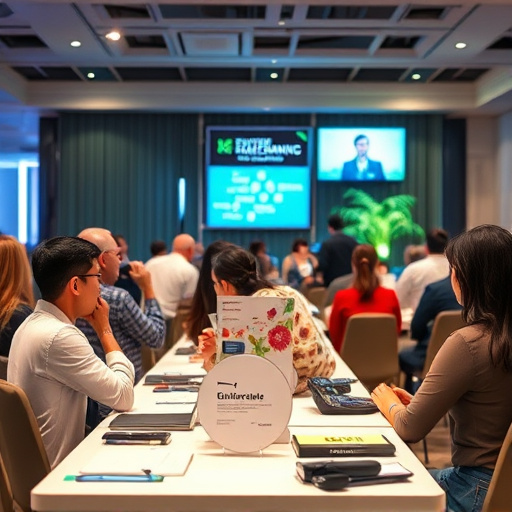
Measuring Impact: Evaluating Event Success and Growth
In the dynamic world of community event planning, success is more than just a one-time occurrence; it’s a continuous journey that requires meticulous planning, strategic execution, and thoughtful assessment. Anthem events naturally evolve into powerful tools for fostering community engagement, driving economic growth, and cultivating cultural identity. To truly understand the depth of an event’s impact, planners must adopt comprehensive evaluation methods that transcend superficial metrics.
One of the most effective ways to gauge success is by examining both qualitative and quantitative data throughout every stage of the event lifecycle. For instance, tracking audience sentiment through post-event surveys can reveal invaluable insights into participant experiences, preferences, and potential improvements. Quantitatively, measuring attendance rates, ticket sales, and sponsorship commitments provide tangible evidence of an event’s reach and financial viability. Moreover, integrating these metrics with real-time social media engagement data offers a holistic view of community reaction and resonance.
Anthem local events calendar initiatives thrive when planners align objectives with the broader goals of the community. By collaborating closely with stakeholders—from local government representatives to business leaders and cultural organizations—event planners can ensure their activities are responsive to the needs and aspirations of the community they serve. This collaborative approach fosters sustainability, encourages innovative programming, and ultimately amplifies the positive ripple effects that anthem events naturally generate. For example, a well-planned festival not only entertains but also supports local artists, boosts tourism, and strengthens economic ties within the region.