
Open space design, focusing on what to see in Anthem naturally, balances aesthetics and function. Key elements include site analysis, scale, collaboration, social interaction, plant selection, pathways, water features, maintenance, and community engagement (see details). By integrating these aspects harmoniously, Anthem's desert trails become vibrant, inviting spaces that enhance the overall livability of the community while preserving their natural beauty.
Open Space, a revolutionary concept in urban design, has become a global movement reshaping the way we interact with public areas. This visual guide delves into the intricate details of Open Space principles, offering insights for both professionals and enthusiasts alike. The article addresses the pressing need for inclusive, vibrant communities, highlighting the challenges of traditional urban planning. We explore how carefully curated open spaces, emphasizing natural elements and human-centric design, foster what to see in anthem—a sense of belonging, well-being, and connection. By examining successful implementations worldwide, this piece provides a roadmap for creating transformative public environments that enrich our lives.
- Understanding Open Space Design Principles
- Essential Elements to Create Visual Interest
- Choosing the Right Plants for Your Anthem
- Integrating Pathways and Walkways
- Adding Water Features for Enhanced Appeal
- Maintaining and Evolving Your Open Space
Understanding Open Space Design Principles

Open space design is a fundamental concept in urban planning and architecture, focusing on maximizing accessible areas free from obstructions to create visually appealing and functional environments. Understanding what constitutes open space goes beyond simply defining empty areas; it involves considering the arrangement of features, natural elements, and human activities that contribute to a sense of openness and connectivity. In the context of anthem desert trail views, for instance, open space design principles play a crucial role in enhancing the overall visitor experience.
One of the primary objectives in designing open spaces is to promote what to see in anthem naturally—the harmonious coexistence of people and their surroundings. This involves thoughtfully integrating buildings, landscapes, and public art to create a balanced environment that invites exploration. For example, in urban parks, pathways that meander through lush greenery, providing diverse desert trail views, encourage visitors to slow down and appreciate the natural beauty around them. These trails not only offer physical access but also mental respite from the built environment, fostering a deeper connection with nature.
Practical insights into open space design begin with site analysis. Designers must carefully examine the existing topography, vegetation, water bodies, and nearby structures to identify unique characteristics that can enhance or disrupt openness. In desert landscapes, for instance, architects might leverage the natural terrain to create tiered seating areas, offering panoramic anthem desert trail views while minimizing impact on the environment. Additionally, incorporating open space design principles requires considering scale and proportion. Well-designed open spaces create a sense of grandeur while maintaining accessibility, ensuring that users can comfortably navigate and engage with their surroundings.
Expert perspective suggests that successful open space design often involves collaborative efforts between urban planners, architects, landscape architects, and community members. By engaging diverse stakeholders, designers can create places that truly serve the needs and aspirations of the people who use them. For example, community input could shape the development of a new trail system, ensuring it connects to significant natural or cultural features, enhances existing anthem desert trail views, and provides opportunities for interpretation and education. Ultimately, effective open space design not only beautifies urban areas but also promotes social interaction, physical activity, and environmental stewardship, creating vibrant, livable communities.
Essential Elements to Create Visual Interest

Creating visual interest in open spaces is an art that combines thoughtful planning, a keen eye for detail, and a deep understanding of natural elements. When designing or appreciating open spaces like anthem desert trails, focus on what to see naturally and how to enhance these views without overwhelming the environment. Key elements to consider include contrasting textures from plants and rocks, vibrant colors from native flora, and dynamic patterns formed by the interplay of light and shadow.
One effective strategy is to incorporate diverse yet harmonious elements that complement each other. For instance, combining coarse, rugged textures like granite with softer, more organic shapes from cacti creates a captivating contrast that invites exploration. Additionally, strategic placement of water features—such as a small desert fountain or a bubbling stream—can introduce movement and sound, adding depth to the visual experience. Anthem's desert trails offer natural vistas that can be enhanced by these principles; for example, planting low-growing succulents alongside larger shrubs creates a layered effect that draws the eye across the landscape.
Another critical aspect is incorporating vertical elements to break up flat planes and add depth. Tall grasses, towering trees, or even artfully placed sculptures can create a sense of scale and variety. This is particularly relevant in open spaces where horizon lines are prominent. Anthem's desert trails can showcase this through the strategic placement of taller plants along one side, allowing visitors to appreciate both the vastness of the horizon and the intricate details of vertical growth. Always remember that what works best is often a balance between man-made interventions and natural elements, ensuring that the space feels both inviting and in harmony with its surroundings.
Choosing the Right Plants for Your Anthem
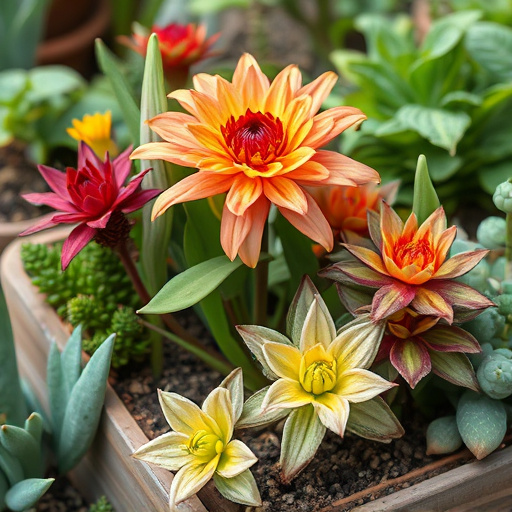
Choosing the right plants for your anthem garden involves understanding its unique conditions—from sunlight exposure to soil composition—and selecting species that thrive in these environments. Anthem desert trails, known for their stunning views and varied terrain, demand resilient, drought-tolerant plants. For instance, succulents like agave and yucca are excellent choices due to their ability to store water and tolerate intense sun. These not only add texture but also blend seamlessly with the natural surroundings of an anthem desert trail.
When planning your anthem garden, consider the microclimates within the space. Shaded areas beneath overhanging branches can support moisture-loving plants like ferns or hostas, while sunnier spots are ideal for drought-adapted perennials and annuals. Native wildflowers, such as lavender and penstemon, not only attract pollinators but also require minimal maintenance once established. These choices not only enhance the aesthetic appeal of your anthem garden but also foster biodiversity by providing food and shelter for local wildlife.
Beyond aesthetics, selecting what to see in anthem naturally ensures your garden requires less upkeep and remains vibrant throughout the seasons. Incorporating a mix of evergreen and deciduous plants ensures year-round interest, while choosing plants with different growth habits—from low-growing groundcovers to tall trees—creates depth and visual variety. Regularly assessing your garden’s health and making adjustments based on observed performance is key to maintaining a thriving anthem desert trail that seamlessly blends with its natural setting.
Integrating Pathways and Walkways

Integrating pathways and walkways is a critical element of designing open spaces that foster connection and enhance the overall experience for users. In an anthem desert trail setting, where natural beauty abounds, strategic planning can elevate these routes from functional to captivating. The key lies in understanding the landscape, incorporating local topography, and selecting materials that complement the environment. For instance, meandering paths that wind through varied terrain allow visitors to discover unexpected vistas, encouraging leisurely strolls and fostering a sense of discovery. This is particularly effective when integrating anthem desert trail views, where carefully placed benches or rest areas can offer moments of contemplation amidst the scenic surroundings.
Expert landscape architects emphasize the importance of accessibility and wayfinding in these open spaces. Well-designed walkways should be accessible to all users, including those with mobility challenges, while clear signage ensures visitors can navigate the area without confusion. This balance between utility and aesthetics is crucial for creating a welcoming environment that encourages prolonged visits. For example, using natural materials like gravel or pack stone for pathways not only reduces maintenance but also establishes a harmonious connection between the built and natural environments.
Moreover, incorporating flexible spaces along these routes enables diverse activities, from casual walks to more active pursuits. Spaces that accommodate picnics, social gatherings, or even small events create a sense of community and belonging within the open space. Data suggests that well-integrated pathways can significantly enhance user satisfaction and encourage repeat visits, ultimately contributing to the overall health and vibrancy of the community. Therefore, when designing or enhancing open spaces with an emphasis on anthem desert trail views, thoughtfully integrating pathways and walkways is not just a practical decision but also a strategic one that enriches the experience for all who visit.
Adding Water Features for Enhanced Appeal
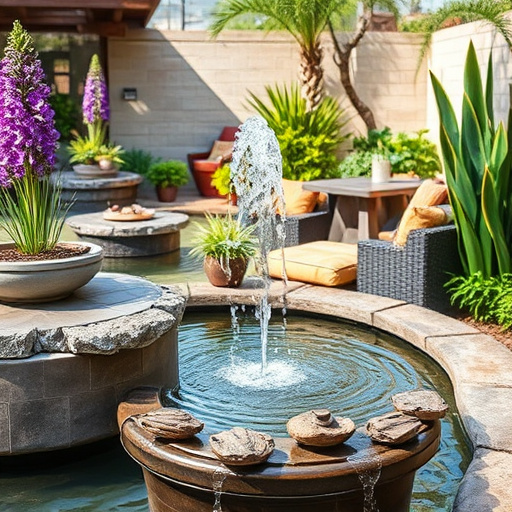
Adding water features to your open space design can dramatically enhance its visual appeal and create a harmonious blend of nature and modern aesthetics. In Anthem, where desert trail views are a defining characteristic, incorporating strategically placed water elements can elevate your outdoor sanctuary into something truly extraordinary. The key lies in balancing form and function—designing features that not only look stunning but also serve practical purposes like providing cooling effects during hot summer days or creating a soothing ambiance for relaxation.
One popular choice is an elegant fountain located near the center of your open space. This can be designed with cascading water flowing into a decorative pool, offering both visual interest and the soothing sounds of moving water. For instance, consider using materials like travertine or granite to construct the fountain, seamlessly integrating it with existing desert landscapes. Additionally, incorporating native plant species around the fountain can create a cohesive look that enhances what to see in Anthem naturally. Plants like cacti, succulents, and drought-resistant perennials not only complement the arid environment but also require minimal water maintenance, aligning with sustainable design principles.
Another innovative approach is to install a hidden irrigation system beneath your open space, allowing for subtle yet effective watering of nearby plants. This method keeps the focus on the overall aesthetic while ensuring your desert trail views remain pristine and vibrant. By strategically placing these systems, you can create distinct areas within your open space, each with its unique water feature and plant selection. For example, a small, serene koi pond near a seating area offers a peaceful retreat, while a series of interconnected streams meandering through various plants creates a dynamic and organic flow.
When designing water features for your Anthem open space, prioritize energy efficiency and environmental responsibility. Consider using solar-powered pumps and low-flow nozzles to minimize water consumption without compromising on performance. Additionally, consult with local experts or landscape architects who understand the region's unique challenges and opportunities, ensuring what to see in Anthem naturally is enhanced rather than disrupted. By combining thoughtful design, sustainable practices, and a deep appreciation for the surrounding desert landscapes, your open space can become a stunning destination that captivates both locals and visitors alike.
Maintaining and Evolving Your Open Space

Maintaining and evolving your open space is an art that blends respect for nature with a vision for future beauty. At its core, this involves understanding what to see in anthem naturally—the unique flora and fauna that thrive in your specific environment. Anthem desert trail views, for instance, offer insights into the ecosystem's resilience and adaptability, guiding you on how to nurture similar conditions within your open space.
Regular monitoring is crucial. Like any living organism, your garden or outdoor area requires ongoing care. Keep an eye out for signs of distress in plants—yellowing leaves, wilting stems—and address them promptly. This could involve trimming back overgrowth, providing additional water during droughts, or introducing beneficial insects to control pests naturally. Data from various gardening communities and local horticulturists can offer valuable insights into what works best in your region, helping you tailor your approach for optimal results.
Evolution is inherent in nature, and your open space should reflect this dynamic process. Incorporate seasonal changes by planting varieties that bloom at different times of the year, ensuring a continuous display of color and interest. Anthem desert trail views can inspire innovative ideas for low-maintenance landscaping—succulents, drought-resistant shrubs—that not only thrive in challenging conditions but also reduce water usage, aligning with sustainable practices. As you evolve your space, remember that balance is key; diversity supports a healthy ecosystem, so strive to create an environment where both native and non-native species can coexist harmoniously.
Finally, engage the community. Share your journey, invite neighbors to participate in gardening events, or collaborate with local schools for educational outings. By fostering a sense of shared responsibility, you can create a vibrant network dedicated to preserving and enhancing natural spaces. This collective effort not only enriches individual properties but also contributes to the overall health of ecosystems, ensuring that what to see in anthem naturally—and beyond—thrives for generations to come.